How to Find and Book Campgrounds in Canada: A Complete Guide
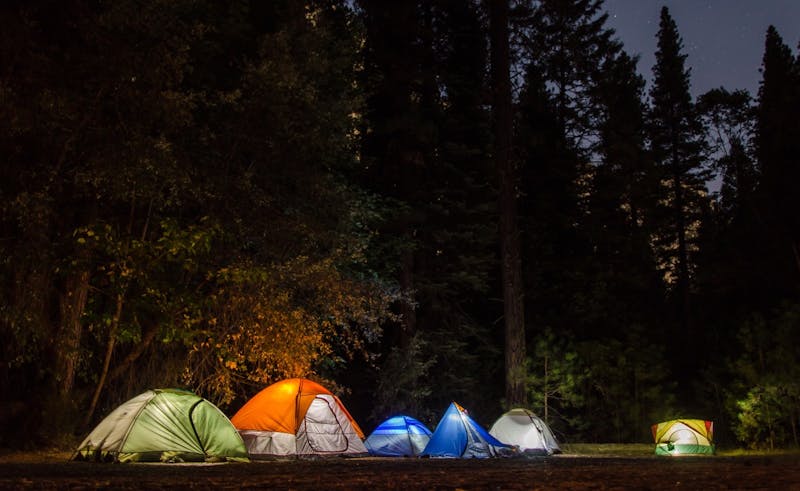
Canada is one of the world's greatest camping destinations. From the rugged peaks of the Rockies to the quiet lakes of Ontario and the wild coastlines of the Maritimes, there's no shortage of places to pitch a tent or park your RV. But with so many options—and with popular sites booking up fast—it helps to know exactly where to look and how to secure your reservation.
This guide walks you through how to find and book campgrounds across National Parks, Provincial Parks, and Private Campgrounds in Canada.
1. Camping in Canada's National Parks
Canada's National Parks are managed by Parks Canada, and they offer some of the most scenic and well-maintained campgrounds in the country.
Where to Find National Park Campgrounds
You can browse all national park campgrounds on the official Parks Canada website. Each park page includes:
- Campground maps
- Site types (tent, RV, oTENTik, backcountry)
- Services (power, water, sani-dump, showers)
- Seasonal opening dates
How to Make a Reservation
Parks Canada uses a centralized reservation system.
Steps:
- Visit the Parks Canada Reservation Service
- Select your park (e.g., Banff, Jasper, Yoho, Fundy)
- Choose your campground and dates
- Filter by site type, length, and services
- Book and pay online
Tips for Booking National Parks
- Book early: Many parks open reservations in January–March for the entire season. Popular sites sell out within minutes.
- Create an account beforehand to save time on opening day.
- Be flexible with dates and campgrounds—especially in Banff, Jasper, and Pacific Rim.
- Check for cancellations: People often cancel last minute, especially 2–3 days before arrival.
2. Camping in Provincial Parks
Each province manages its own park system, and the reservation process varies slightly. Provincial parks often offer beautiful, quieter alternatives to national parks.
Where to Find Provincial Park Campgrounds
Here are the main reservation systems by province:
| Province | Reservation System |
|---|---|
| Alberta | Alberta Parks Reservations |
| British Columbia | BC Parks "Discover Camping" |
| Ontario | Ontario Parks Reservations |
| Saskatchewan | Sask Parks Reservations |
| Manitoba | Manitoba Parks Reservations |
| Quebec | SEPAQ |
| New Brunswick | NB Parks Reservations |
| Nova Scotia | Nova Scotia Provincial Parks |
| PEI | PEI Provincial Parks |
| Newfoundland & Labrador | NL Parks Reservations |
How to Make a Reservation
Most provincial systems follow the same steps:
- Visit the province's reservation website
- Choose your park and campground
- Select your dates and site type
- Book and pay online
Tips for Booking Provincial Parks
- Opening days vary by province—BC and Ontario are especially competitive
- Use the map view to find sites with privacy, shade, or lake access
- Check site length if you have a trailer or motorhome
- Look for first-come, first-served (FCFS) options if everything is booked
3. Camping at Private Campgrounds
Private campgrounds offer more availability, more amenities, and more flexibility than government-run parks. They're great for families, RV travelers, and last-minute trips.
Where to Find Private Campgrounds
You can search private campgrounds through:
- KOA (Kampgrounds of America)
- Good Sam Campgrounds
- Hipcamp (unique stays, glamping, farm camping)
- Campendium (RV-friendly listings)
- Google Maps (search "campgrounds near me")
What Private Campgrounds Offer
- Full hookups (power, water, sewer)
- Wi-Fi
- Laundry
- Playgrounds and pools
- Convenience stores
- Longer seasonal stays
How to Make a Reservation
Most private campgrounds allow:
- Online booking through their website
- Phone reservations
- Email inquiries
Private sites often have more availability during peak season, making them a great backup option.
4. How to Choose the Right Campground
When comparing campgrounds, consider:
Location
- Mountains, lakes, forests, or ocean views?
- Distance from attractions or hiking trails
Amenities
- Power (15A, 30A, 50A)
- Water hookups
- Sani-dump, showers, washrooms
Site Type
- Tent or RV/trailer
- Walk-in or backcountry
- Group camping
Privacy & Noise
- Check campground maps and photos
- Avoid sites near washrooms or playgrounds
5. Best Time to Book Campgrounds in Canada
| Season | What to Expect |
|---|---|
| January–March | National & provincial parks open reservations. Book early. |
| May–June | Shoulder season, more availability. |
| July–August | Peak season—book months ahead. |
| September–October | Fall colours, quieter campgrounds. |
| Winter | Limited campgrounds open, but great for winter camping lovers. |
6. Last-Minute Camping Tips
If everything is booked:
- Check first-come, first-served sites
- Look at private campgrounds—they often have space
- Search lesser-known parks instead of the big names
- Try mid-week instead of weekends
- Use cancellation trackers (some provinces allow alerts)
Final Thoughts
Finding and booking a campground in Canada doesn't have to be stressful. With the right tools and a bit of planning, you can secure the perfect spot—whether it's a lakeside site in Ontario, a mountain view in Alberta, or a quiet forest retreat in Nova Scotia.
Ready to Start Your Adventure?
Browse our fleet of well-maintained RVs and start planning your Canadian Rockies getaway
View Our Fleet