Bow Valley Parkway RV Guide
Discover the scenic route between Banff and Lake Louise. Wildlife, waterfalls, and mountain vistas along this peaceful 51km parkway through the heart of the Canadian Rockies.
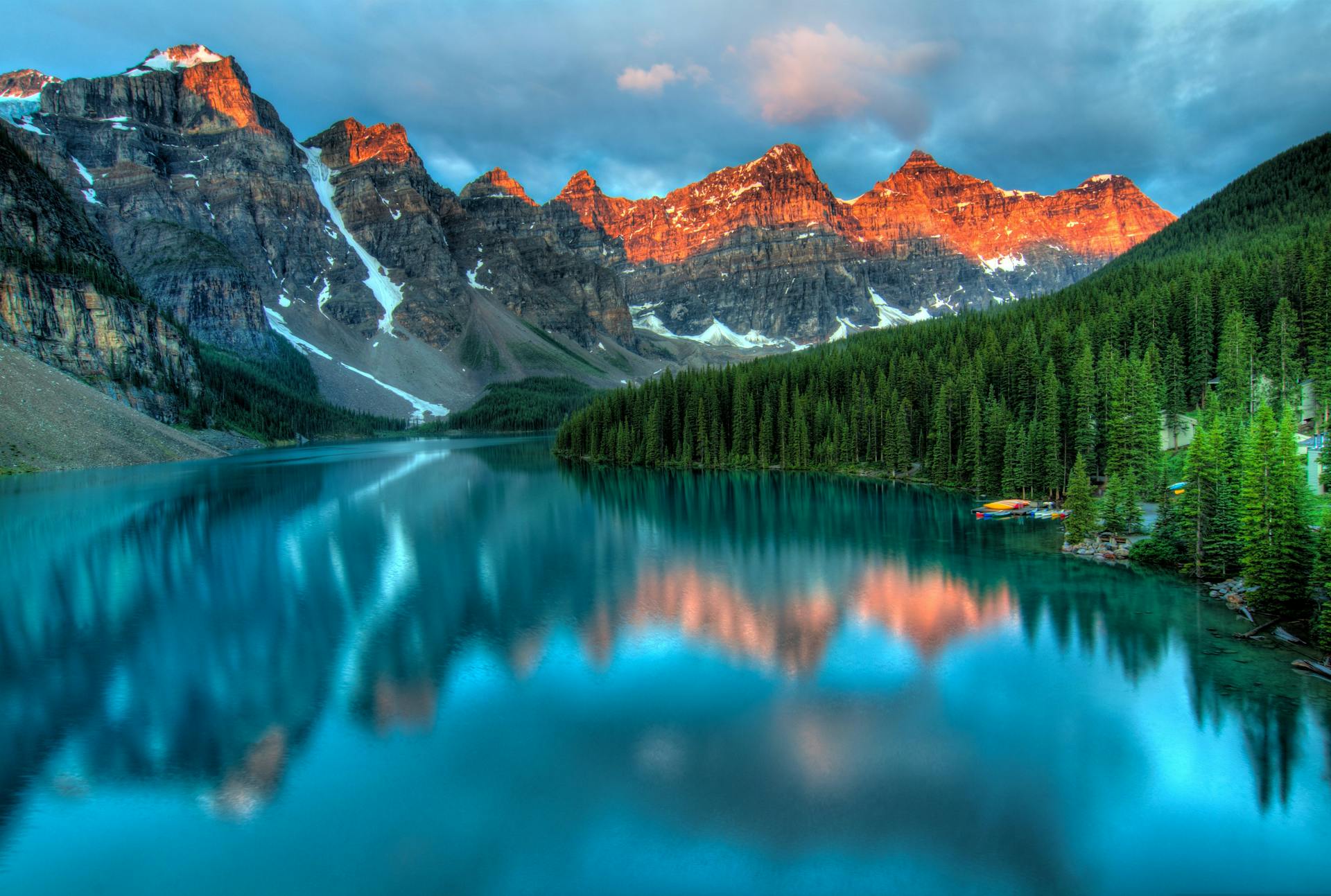
Wildlife Paradise
Lower speeds and quiet roads mean exceptional wildlife viewing. Elk, deer, bears, and wolves frequent this corridor.
Perfect for First-Timers
Less traffic, slower speeds (60 km/h), and relaxed atmosphere make this ideal for new RV drivers gaining confidence.
Take Your Time
Multiple pullouts, picnic areas, and viewpoints let you explore at your own pace along the Bow River.
Why Choose the Bow Valley Parkway
While the Trans-Canada Highway (Highway 1) rushes travelers between Banff and Lake Louise in 45 minutes, the Bow Valley Parkway (Highway 1A) offers a completely different experience. This historic route follows the valley floor through forests and meadows, with the Bow River as your constant companion and the towering peaks of the Sawback Range rising to the east.
The 60 km/h speed limit isn't a restriction—it's an invitation to slow down and truly experience the Rockies. Wildlife roam freely here, particularly during spring and fall when seasonal road closures protect critical habitat. Your RV gives you the flexibility to stop at any pullout when an elk herd appears or a bear forages in a meadow, creating memories impossible from a tour bus window.
Essential RV Information
The Bow Valley Parkway welcomes RVs of all sizes with well-maintained pavement, gentle curves, and numerous pullouts designed for larger vehicles. Our Class C motorhomes navigate this route effortlessly. The road runs 51 kilometers from the Banff overpass to Castle Junction, where it rejoins Highway 1 for the final stretch to Lake Louise.
Seasonal Wildlife Closures
From early March through late June, portions of the parkway close 8pm to 8am to protect critical wildlife habitat during spring feeding season. Plan daytime travel during these months, which actually offers the best wildlife viewing as animals are most active during the day.
No services exist along the parkway itself—no gas, food, or washrooms between Banff and Lake Louise. Fill your RV's fuel tank in Banff before departing, though the 51km distance uses minimal fuel. Public washrooms are available only at Johnston Canyon. The lack of commercial development preserves the wilderness character that makes this route special.
Must-Stop Attractions
Johnston Canyon
The parkway's star attraction sits 18km northwest of Banff. Johnston Canyon features suspended walkways clinging to limestone cliffs above a rushing river, leading to dramatic waterfalls hidden in narrow gorges. The Lower Falls lie just 1.1km from the parking lot via an accessible boardwalk trail. The Upper Falls require a 2.7km hike but reward with even more spectacular views.
RV Parking Strategy: The Johnston Canyon parking lot accommodates RVs but fills completely by 8am during summer. Arrive before 7:30am or after 6pm for guaranteed spots. Alternative strategy: park your RV at Castle Junction or one of the larger pullouts 1-2km away and walk in, avoiding the parking chaos entirely while enjoying a peaceful road walk.
Castle Mountain
This distinctive mountain dominates views along the western half of the parkway. Rising 2,766 meters with sheer cliff walls resembling castle battlements, Castle Mountain appears different from every angle. Multiple pullouts along the parkway offer photography opportunities, with the best light hitting the east face during late afternoon.
Morant's Curve
Famous among railway photographers, this sweeping curve of the Canadian Pacific Railway tracks offers classic mountain scenery with the Bow River, forest, and mountains perfectly composed. The viewpoint sits directly beside the road with RV-friendly pullout parking. Patient visitors might catch a freight train winding through the curve, though passenger trains no longer run this route.
Storm Mountain Viewpoint
A large pullout near the western end provides excellent views of Storm Mountain's distinctive triple peaks. This spot works perfectly for picnic lunches, with picnic tables, interpretive signs, and often fewer crowds than Johnston Canyon. The peaceful setting beside a small creek makes it a favorite rest stop for RV travelers.
Wildlife Viewing Tips
The Bow Valley Parkway ranks among Canada's best roadside wildlife viewing corridors. Lower speeds, enforced speed limits, and seasonal closures create safer conditions for both animals and travelers. Common sightings include elk (especially in meadows near dawn and dusk), mule deer, bighorn sheep on rocky slopes, and occasionally black bears or grizzlies foraging in spring.
Wildlife Viewing Protocol
- • Pull completely off the road into designated pullouts—never stop in travel lanes
- • Remain in or very close to your RV when viewing bears
- • Keep 30 meters minimum distance from elk and deer, 100 meters from bears
- • Never feed or approach wildlife—hefty fines apply and it endangers animals
- • Bear spray should be accessible but stay near your vehicle for safety
- • Watch for "wildlife jam" traffic backups and follow park warden instructions
Camping Along the Parkway
Two Parks Canada campgrounds serve the Bow Valley Parkway, both offering excellent RV sites in spectacular settings. Castle Mountain Campground sits near the western end at Castle Junction with both powered and non-powered sites. Protection Mountain Campground, smaller and more rustic, provides a peaceful forest setting with river access.
Both campgrounds accept RVs up to 27 feet and require advance reservations through Parks Canada's reservation system. Sites fill months ahead for July and August. Camping along the parkway provides the ultimate experience—evening wildlife viewing from your campsite, stargazing away from town lights, and access to the road during magical sunrise hours when most visitors haven't arrived.
Photography and Timing
The parkway rewards photographers with constantly changing light and scenery. Mountains on the west side receive beautiful morning light, while eastern peaks glow during late afternoon and evening. Overcast days bring out the deep greens of the forest and enhance waterfall photography at Johnston Canyon.
Fall colors peak in late September and early October when aspens and larches turn gold against evergreen forests. This season also brings increased elk activity during the rut, with bugling bulls and herds gathering in valley meadows. Spring brings newborn wildlife and rushing waterfalls fed by snowmelt, though wildlife closures limit evening and night driving.
Combining With Other Routes
Smart RV travelers often create a loop itinerary: drive the Bow Valley Parkway from Banff to Lake Louise (stopping at Johnston Canyon and other attractions), then continue on the Trans-Canada Highway to the Icefields Parkway for the journey north to Jasper. Alternatively, take the highway north and return via the parkway when heading back to Calgary, experiencing both routes without backtracking.
The parkway also connects seamlessly with Highway 93 South to Radium and Kootenay National Park, creating additional loop possibilities for week-long RV adventures. Its central location makes it perfect for multi-day explorations of the Banff area.
Ready to Experience Bow Valley Parkway?
This peaceful scenic route offers a completely different perspective on the Canadian Rockies compared to busy highways. Perfect for wildlife enthusiasts, photographers, and travelers who prefer to slow down and truly experience the mountains.
Related RV Guides & Itineraries
Complete Banff RV Trip Guide
Everything you need to plan your Banff National Park RV adventure
Calgary to Banff Itinerary
Detailed day-by-day itinerary from Calgary through Banff
All Scenic Drives
Explore all the must-drive routes in the Canadian Rockies
RV Rental Calgary
Our fleet of Class C motorhomes and travel trailers